Struggling to turn traffic into revenue? That’s where CPA offers come in—a game-changer for marketers seeking cost-effective solutions to improve conversions. With the right knowledge and strategies, CPA marketing can unlock incredible earning potential. In this article, CPARED will explore common challenges marketers face, uncover the secrets behind successful CPA offers, and share tips to optimize your campaigns for maximum ROI.
1. What Are CPA Offers?
1.1. Definition and Meaning of Cost Per Action (CPA) Offers
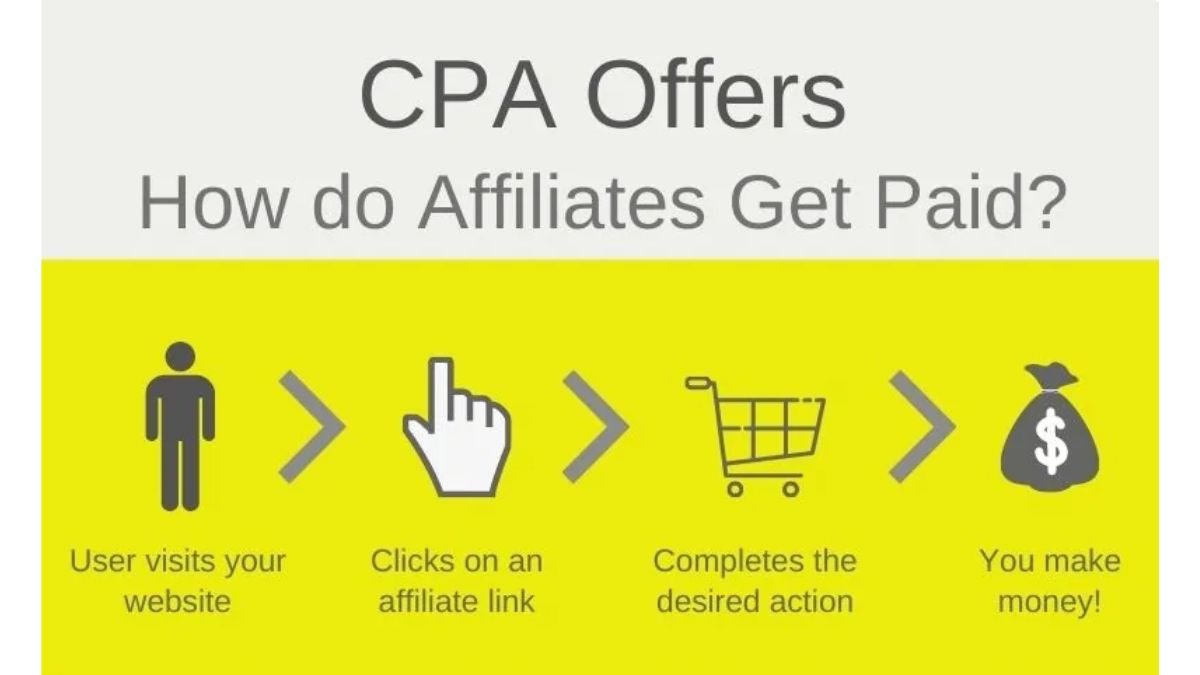
CPA, or Cost Per Action, is an affiliate marketing model where advertisers pay affiliates a commission for a specific action completed by users. These actions could include filling out a form, signing up for a newsletter, downloading an app, or making a purchase. Unlike traditional advertising models that charge for impressions (CPM) or clicks (CPC), CPA ensures that advertisers pay only for measurable, result-driven actions.
This performance-based approach benefits both advertisers and affiliates. Advertisers achieve better ROI by focusing on tangible outcomes, while affiliates enjoy predictable earnings by promoting relevant offers.
1.2. How CPA Marketing Differs from Other Affiliate Models
CPA marketing stands out because it’s action-oriented rather than traffic-oriented. Here’s how it compares to other popular models:
CPA vs. CPC (Cost Per Click):
- CPC pays affiliates for every click generated, regardless of user intent or outcome.
- CPA requires users to complete an action, making it more result-driven and profitable for advertisers.
CPA vs. CPM (Cost Per Mille):
- CPM focuses on impressions, paying for every 1,000 views an ad receives.
- CPA eliminates the uncertainty of non-engaged viewers by requiring specific, measurable actions.
CPA vs. RevShare (Revenue Sharing):
- Revenue sharing offers affiliates a percentage of the sales they generate.
- CPA is often preferred for campaigns with non-monetary actions, such as sign-ups or app installs, providing flexibility for diverse goals.
1.3. Examples of Common CPA Offers
CPA marketing spans various industries, making it a versatile choice for affiliates. Here are some common types of CPA offers:
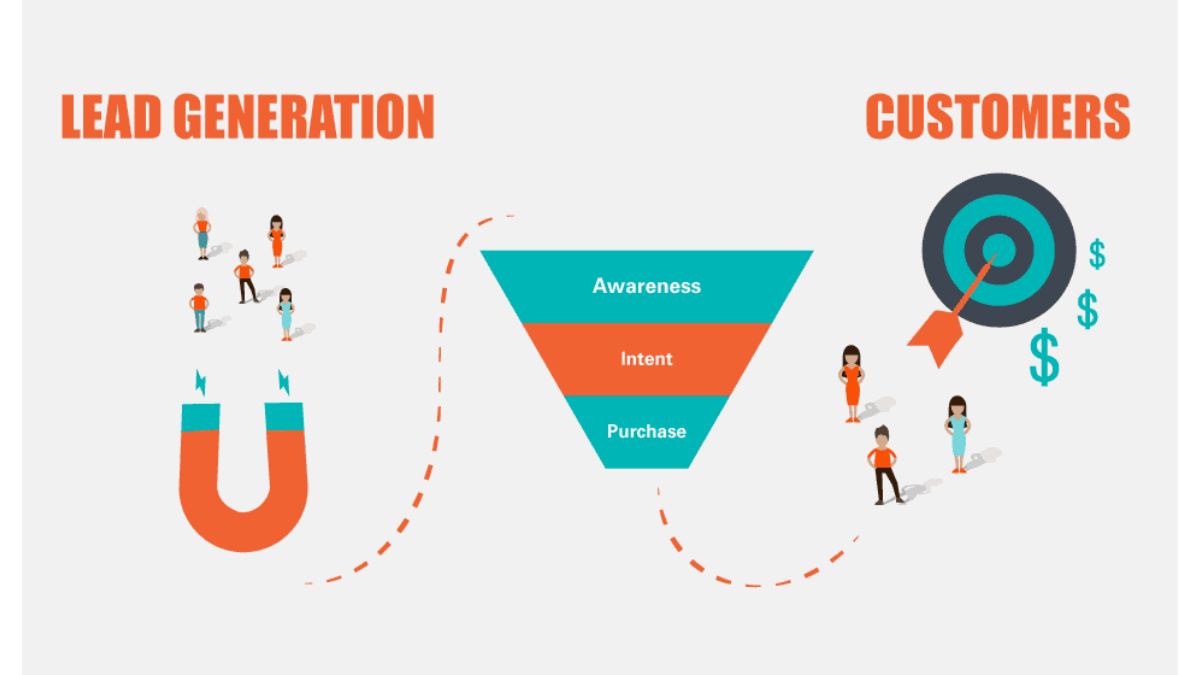
- Lead Generation: Affiliates earn when users submit contact information, such as signing up for a webinar or requesting a quote.
- App Installs: Advertisers pay affiliates for each successful app download, popular in gaming and fintech industries.
- Sales: Affiliates earn commissions when users complete a purchase, often used in e-commerce and subscription-based models.
- Free Trials: Payments are made for sign-ups to free trials of products or services.
- Survey Completions: Affiliates are rewarded for encouraging users to participate in online surveys.
2. How CPA Offers Work
2.1. The Flow of CPA Campaigns: Advertiser, Publisher, and Affiliate Network
CPA campaigns involve three key players:
- Advertisers: Businesses or brands looking to promote their products or services. They define the action they want users to complete and set a payout for affiliates.
- Publishers (Affiliates): Individuals or entities that promote CPA offers via websites, social media, email marketing, or paid ads. Their goal is to drive qualified traffic to the advertiser’s offer.
- Affiliate Networks: These act as intermediaries, connecting advertisers with affiliates. They provide the necessary tools, tracking software, and support to run campaigns effectively.
The process works like this: Advertisers list their offers on an affiliate network, specifying the action and payout. Affiliates select relevant offers and promote them using their preferred channels. When users complete the desired action, affiliates earn a commission.
2.2. Overview of Tracking Methods (Postback URLs, Pixel Tracking)
Accurate tracking is essential in CPA marketing to ensure commissions are paid for legitimate conversions. Two common tracking methods are:
- Postback URLs:
A server-to-server tracking method that ensures precise conversion data. When a user completes an action, the affiliate network’s server notifies the advertiser’s server to confirm the conversion. - Pixel Tracking:
A pixel (a small piece of code) is placed on the advertiser’s webpage. When users complete an action, the pixel fires and tracks the event, recording the affiliate responsible for the conversion.
Both methods play a crucial role in maintaining transparency and ensuring proper attribution in CPA campaigns.
3. Benefits of CPA Offers
3.1. Performance-Based Payment Model
One of the biggest advantages of CPA offers is their performance-based nature. Advertisers only pay for completed actions, reducing the risk of wasted ad spend. For affiliates, this ensures that efforts are rewarded based on tangible outcomes, creating a win-win scenario.
3.2. Wide Range of Niches and Verticals to Explore
CPA marketing offers opportunities across countless niches, including:
- Finance (credit cards, loans, insurance)
- Health and Wellness (weight loss programs, supplements)
- Technology (software downloads, SaaS trials)
- E-commerce (product sales, free trial subscriptions)
This diversity allows affiliates to experiment with different industries and target audiences, enhancing their ability to find profitable campaigns.
3.3. Scalability and Potential for High ROI
CPA campaigns are highly scalable, making them suitable for both beginners and experienced marketers. With the right optimization strategies, affiliates can scale up campaigns using high-converting traffic sources, such as paid ads or social media.
Moreover, the performance-driven payout model ensures that each dollar spent delivers measurable results, enabling advertisers to achieve higher ROI.
4. Challenges in CPA Marketing
While CPA marketing offers lucrative opportunities, it’s not without its challenges. Being aware of these obstacles is the first step toward overcoming them effectively.
4.1. Common Obstacles: Traffic Quality, Compliance, and Competition
Traffic Quality: Driving high-quality traffic is crucial for successful CPA campaigns. Many affiliates struggle to find sources that deliver users genuinely interested in completing the desired actions. Poor traffic quality leads to low conversions, wasted effort, and unhappy advertisers.
Compliance: Advertisers and affiliate networks have strict rules to ensure that promotional activities adhere to legal and ethical standards. Affiliates must navigate complex compliance guidelines, including restrictions on misleading ads, unauthorized claims, or deceptive practices.
Competition: CPA marketing is a competitive space. High-payout offers often attract numerous affiliates, driving up advertising costs and making it harder to stand out. Staying ahead requires constant innovation and strategic planning.
4.2. Risks of Fraud and How to Prevent It
Fraudulent activity is a persistent threat in CPA marketing, impacting both advertisers and affiliates. Common forms of fraud include:
- Click Fraud: Artificially inflating clicks using bots to mislead performance metrics.
- Lead Fraud: Submitting fake information in forms or using stolen data to complete actions.
- Pixel Stuffing: Manipulating tracking pixels to falsely claim credit for conversions.
Prevention Tips:
- Use advanced tracking systems to detect anomalies.
- Partner with reputable affiliate networks with strict fraud prevention measures.
- Regularly audit campaigns to identify suspicious activity.
5. Proven Tips for Optimizing CPA Conversions
Optimizing CPA conversions requires a combination of strategic planning, audience insights, and performance tracking. Below are actionable tips to help you succeed.
5.1. Choosing the Right Offers
Selecting the right offer can make or break your campaign. Factors to consider include:
- Payout: Higher payouts are attractive but often come with tougher competition.
- Niche: Focus on niches that resonate with your audience and expertise.
- Relevance: Ensure the offer aligns with your traffic source and user intent.
For instance, a tech-savvy audience might respond better to software trials, while a health-focused audience might prefer wellness products.
5.2. Understanding Your Audience
Knowing your audience’s preferences, demographics, and pain points is essential. Conduct research to uncover:
- Age, gender, location, and interests.
- User intent: Are they seeking information, comparison, or ready to convert?
Tailor your messaging to address their specific needs and position the CPA offer as a solution to their problems.
5.3. Landing Page Optimization
A well-designed landing page is critical for driving conversions. Best practices include:
- Clear Headlines: Immediately communicate the offer’s value.
- Compelling Visuals: Use engaging images or videos to grab attention.
- Strong Call-to-Action (CTA): Encourage users to take action with persuasive language (e.g., “Get Started Now” or “Claim Your Free Trial”).
- Fast Loading Speed: Ensure your landing page loads quickly to reduce bounce rates.
Additionally, ensure the landing page is mobile-friendly, as many users browse on smartphones.
5.4. A/B Testing
A/B testing involves comparing two versions of your campaign to determine which performs better. Experiment with:
- Headlines and CTAs.
- Layout and design elements.
- Traffic sources and targeting parameters.
Analyze the results to identify what resonates most with your audience and refine your approach accordingly.
5.5. Traffic Sources
A successful CPA campaign relies on finding the right traffic sources. Popular options include:
Paid Traffic:
- Google Ads for search intent-based offers.
- Facebook Ads for highly targeted campaigns.
Organic Traffic:
- SEO-optimized blogs that attract users searching for related topics.
- Social media marketing to engage audiences organically.
Email Marketing:
- Build an email list and promote CPA offers through personalized campaigns.
- Diversify your traffic sources to minimize risks and maximize reach.
5.6. Monitoring and Analytics
Tracking and analyzing performance data is crucial for continuous improvement. Tools like Google Analytics, Voluum, and ClickMagick can help you monitor:
- Conversion rates.
- Traffic quality and sources.
- Cost-per-conversion and ROI.
Regularly review these metrics to identify areas for improvement and scale up successful strategies.
6. Conclusion
CPA marketing is a highly effective model for affiliates looking to drive performance-based results. By understanding the challenges and implementing proven optimization strategies, you can unlock the full potential of CPA offers. From selecting the right offers to tailoring campaigns for your audience, every step plays a crucial role in boosting conversions and maximizing profits.
Start applying these tips today to elevate your CPA campaigns and achieve sustainable success.
For more expert tips, visit GPT Online.
7. FAQ Section
1. What Makes CPA Offers Different from Other Affiliate Models?
CPA offers focus on specific user actions, such as sign-ups or purchases, rather than traffic metrics like clicks or impressions. This ensures that affiliates earn commissions based on measurable results.
2. How Much Can You Earn with CPA Marketing?
Earnings vary based on factors like payout rates, traffic quality, and optimization strategies. Skilled affiliates can earn anywhere from a few hundred to several thousand dollars monthly.
3. What Are the Best Niches for CPA Campaigns in 2024?
Top niches include finance (credit cards, loans), health and wellness, technology (SaaS trials, app installs), and e-commerce. Emerging niches like AI tools and eco-friendly products are also gaining traction.
4. How Do You Prevent Fraud in CPA Marketing?
Prevent fraud by partnering with reputable networks, using advanced tracking tools, and monitoring campaign activity for anomalies. Regular audits and transparent communication with networks also help mitigate risks.